
New Research Highlights a Challenge Facing Every Senior Care Provider
June 26, 2026
4:52 pm
New research published in BMC Geriatrics reinforces a reality facing every senior care provider: fall risk is often highest among older adults living with frailty, multiple chronic conditions, depression, and other challenges commonly associated with aging. While the findings are unlikely to surprise those working in senior living and skilled nursing, they highlight a fundamental challenge. The residents most likely to experience a fall are often the very residents providers are working hardest to keep active, engaged, and independent.
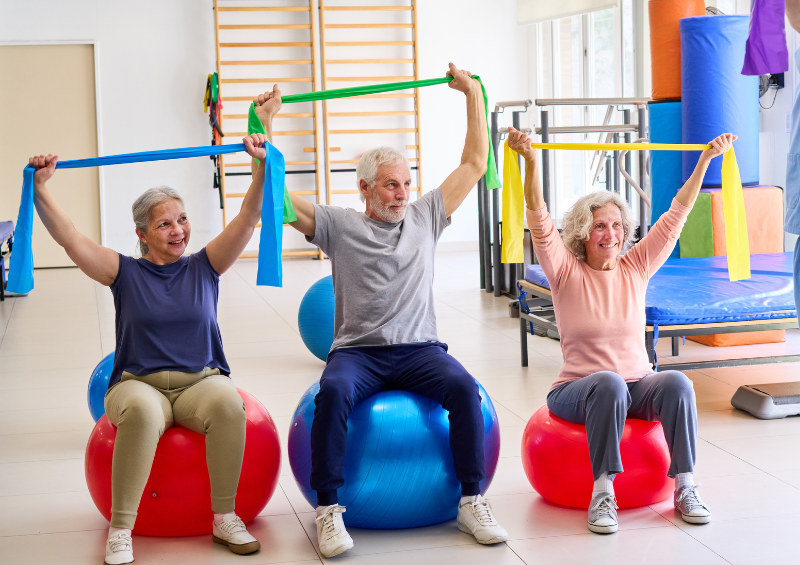
Providers encourage residents to stay active because the benefits are undeniable:
- Mobility supports strength, confidence, and quality of life.
- Independence preserves dignity and autonomy.
- Social engagement contributes to physical and cognitive well-being.
These are goals worth protecting.
Yet the same residents who benefit most from staying active often carry the greatest risk of falling. As resident acuity continues to rise, providers face an increasingly difficult balancing act: supporting movement and independence while minimizing the potential consequences of a fall.
For decades, organizations have invested heavily in fall prevention through risk assessments, medication reviews, exercise programs, staff education, environmental modifications, and emerging technologies. Those efforts matter. But this latest research is a reminder that fall risk is rarely driven by a single factor. It is often the result of multiple conditions and age-related challenges that cannot be fully eliminated. That reality is shifting the conversation from fall prevention alone to fall management.
The most important question is no longer simply whether a fall occurs. It is whether that fall results in major injury.
As resident acuity continues to rise, more organizations are examining how the built environment can help reduce injury risk when falls occur.
What this research ultimately highlights is the complexity of caring for older adults. The same conditions that increase fall risk are often the conditions that make independence so important to preserve.
Providers cannot eliminate every risk factor, but they can decide how prepared they want to be when a fall occurs.
Falls remain a reality for many older adults — injury reduction needs to play a larger role in the conversation.
September 23, 2026

September 2, 2026